How Net Metering in Pakistan Works and Why It Makes Solar Worth It
Net metering lets your solar system sell surplus electricity back to the grid — here is how it works in Pakistan and what to check before you apply.

Net metering lets your solar system sell surplus electricity back to the grid — here is how it works in Pakistan and what to check before you apply.
Poor quality control on a substation project means delays, rework, and failed energization — here is how QA/QC keeps it on track.
A low power factor can quietly inflate industrial electricity bills with penalties and wasted capacity — here is how it works and how to fix it.
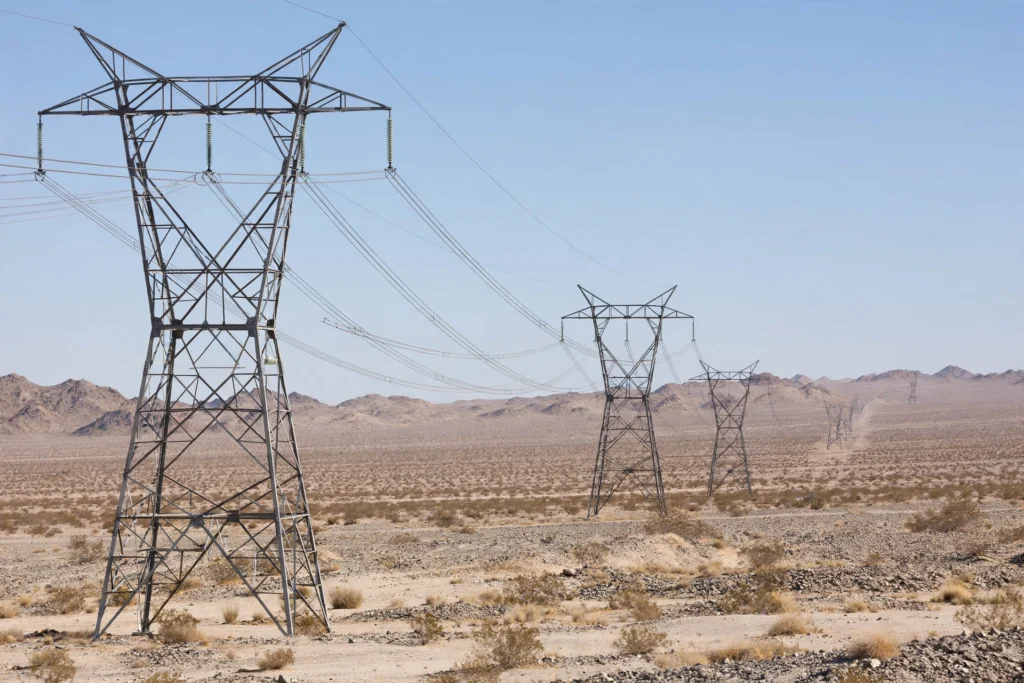
Power stations are often far from the cities they serve — here is how 380 kV transmission lines move large amounts of electricity across long distances with surprisingly small losses.
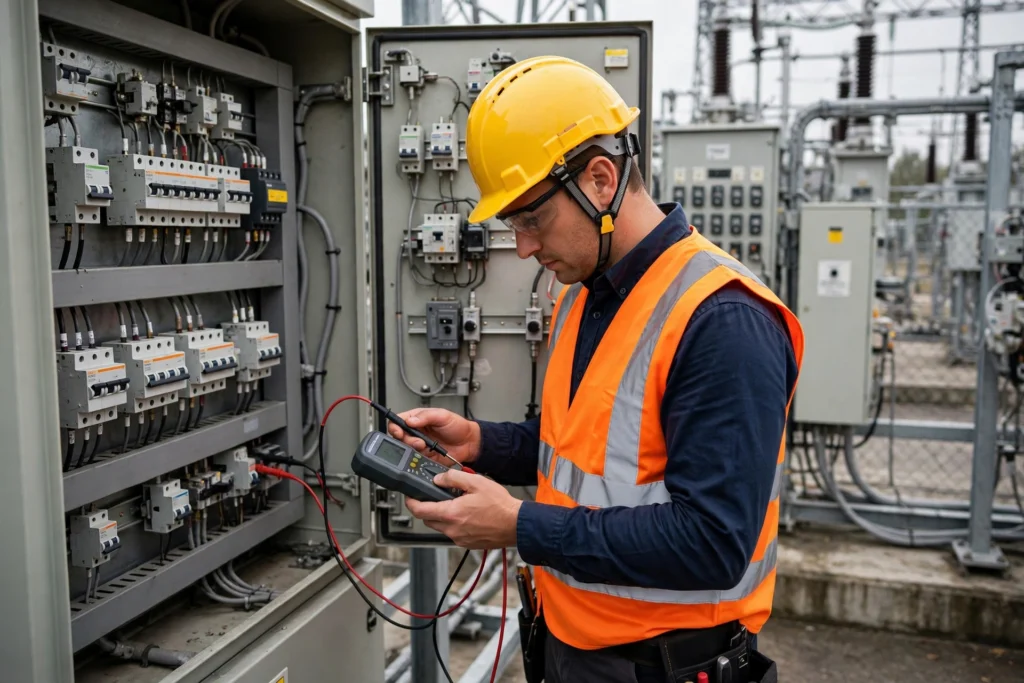
A plain-English explainer of gas-insulated substations — how a GIS substation works, how it differs from a conventional air-insulated substation, and why crowded cities and industries choose it.
Before any substation is switched on, every breaker, relay, and cable goes through a strict process of testing and commissioning — here is how it works in plain terms.
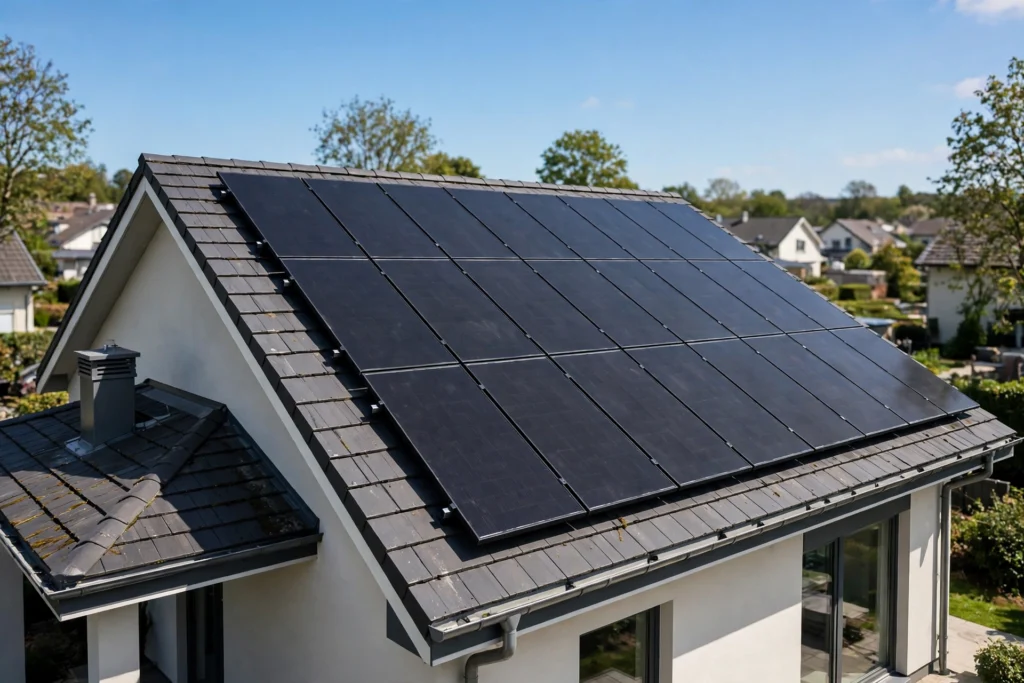
Before you spend money on a solar system, five minutes checking your roof can tell you whether your solar panel installation will pay off or disappoint.
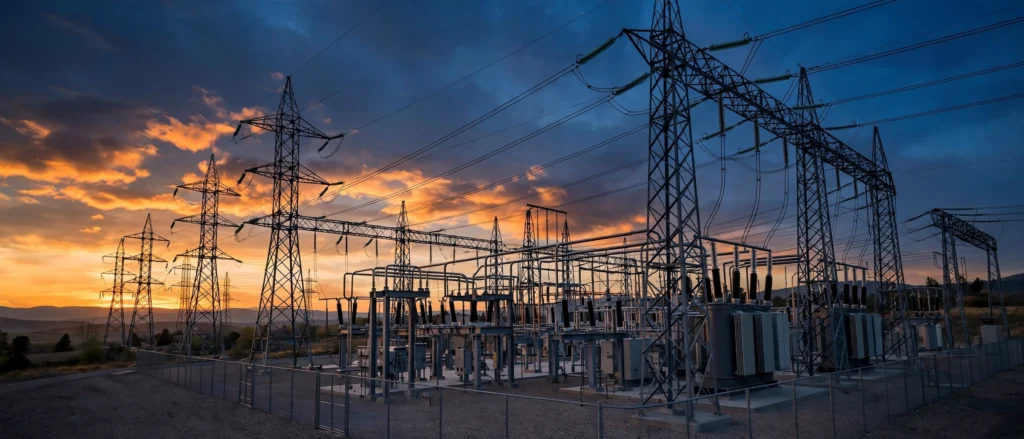
Your electricity bill in Pakistan hides charges most people never notice — here is a simple guide to reading it and finding where you are overpaying.
Wondering if solar panels are worth it? Here is a simple breakdown of how much you can actually save on your electricity bill in Pakistan — with real numbers.
Many engineering graduates believe that obtaining a degree is the final step toward a successful career. While a degree is